
Bed bugs are small, nocturnal insects that can cause great discomfort and anxiety to those who suffer an infestation. These pests are known for their ability to thrive in environments where humans sleep, feeding on their blood to survive. In this article, we'll explore what bed bugs are, how they spread, the symptoms of an infestation, and the most effective treatment methods. We'll also provide tips for preventing a future infestation
What are bed bugs?
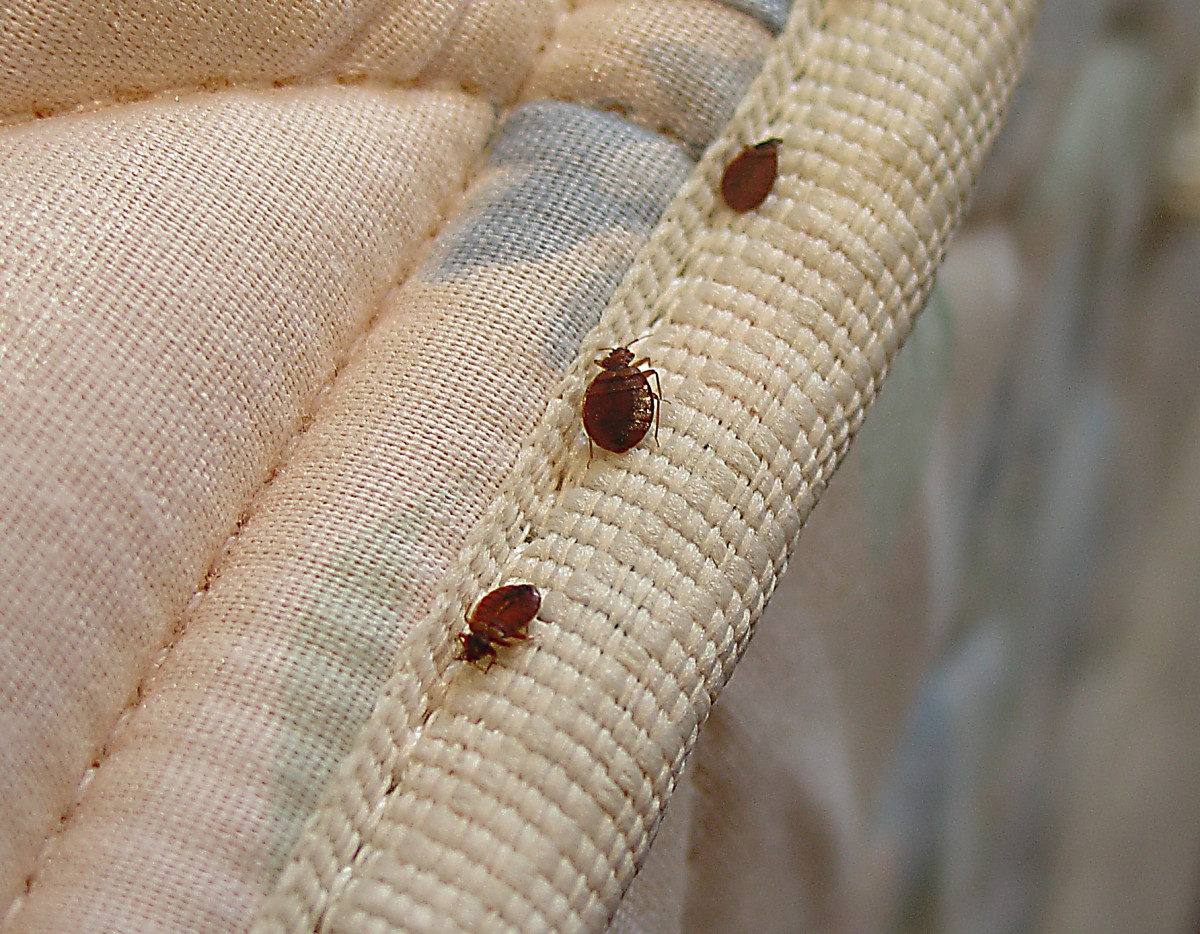
Bed bugs, scientifically known as Cimex lectularius , are small, reddish-brown insects that feed on the blood of humans and other warm-blooded animals. Adult bed bugs are about the size of an apple seed, measuring approximately 4-5 mm in length. They have a flattened, oval body that allows them to easily hide in cracks and crevices, making them difficult to detect.
Bed bugs are nocturnal, meaning they are most active at night, feeding on their hosts while they sleep. Despite their name, bed bugs can be found in other areas of the house, not just in or around the bed. They can hide in furniture, carpets, behind wallpaper, and even in electrical outlets.
How do bed bugs spread?
Bed bugs are excellent stowaways, often spreading from place to place through human activity. They don't fly or jump, but they can crawl along floors and walls, traveling from room to room. They can also spread through used furniture, clothing, and luggage, making them common in hotels, hostels, and other shared accommodations.
Some common ways bed bugs spread include:
- Travel : Bed bugs are frequently transported in luggage, clothing, or personal belongings when we travel. They can easily attach themselves to clothes or bags and be brought back home.
- Second-hand furniture : Buying used furniture, especially mattresses or sofas, can be a significant risk factor, as bed bugs may already be living in these items.
- Apartments and multi-family buildings : In densely populated buildings, bed bugs can move between units through walls, pipes, and electrical outlets, making infestations more difficult to control.

Symptoms of a bed bug infestation
The main sign of a bed bug infestation is the presence of bites on the skin. Bed bug bites typically appear as a series of small, red, itchy welts, often arranged in a linear or clustered pattern. These bites are usually found on exposed areas of skin, such as the face, neck, arms, and legs.
Common symptoms of a bed bug infestation include:
- Red, itchy bites : Bed bug bites usually appear as raised, itchy welts and can be mistaken for mosquito bites. However, they tend to be more persistent and can cause discomfort for several days.
- Blood stains : After feeding, bed bugs may leave small blood stains on sheets or pillows. These stains are usually dark or rusty.
- Fecal stains : Bed bugs leave small dark stains of fecal matter, which can be found on sheets, furniture, or along baseboards.
- Musty smell : A severe bed bug infestation can produce a characteristic musty smell, caused by the bed bugs' scent glands.

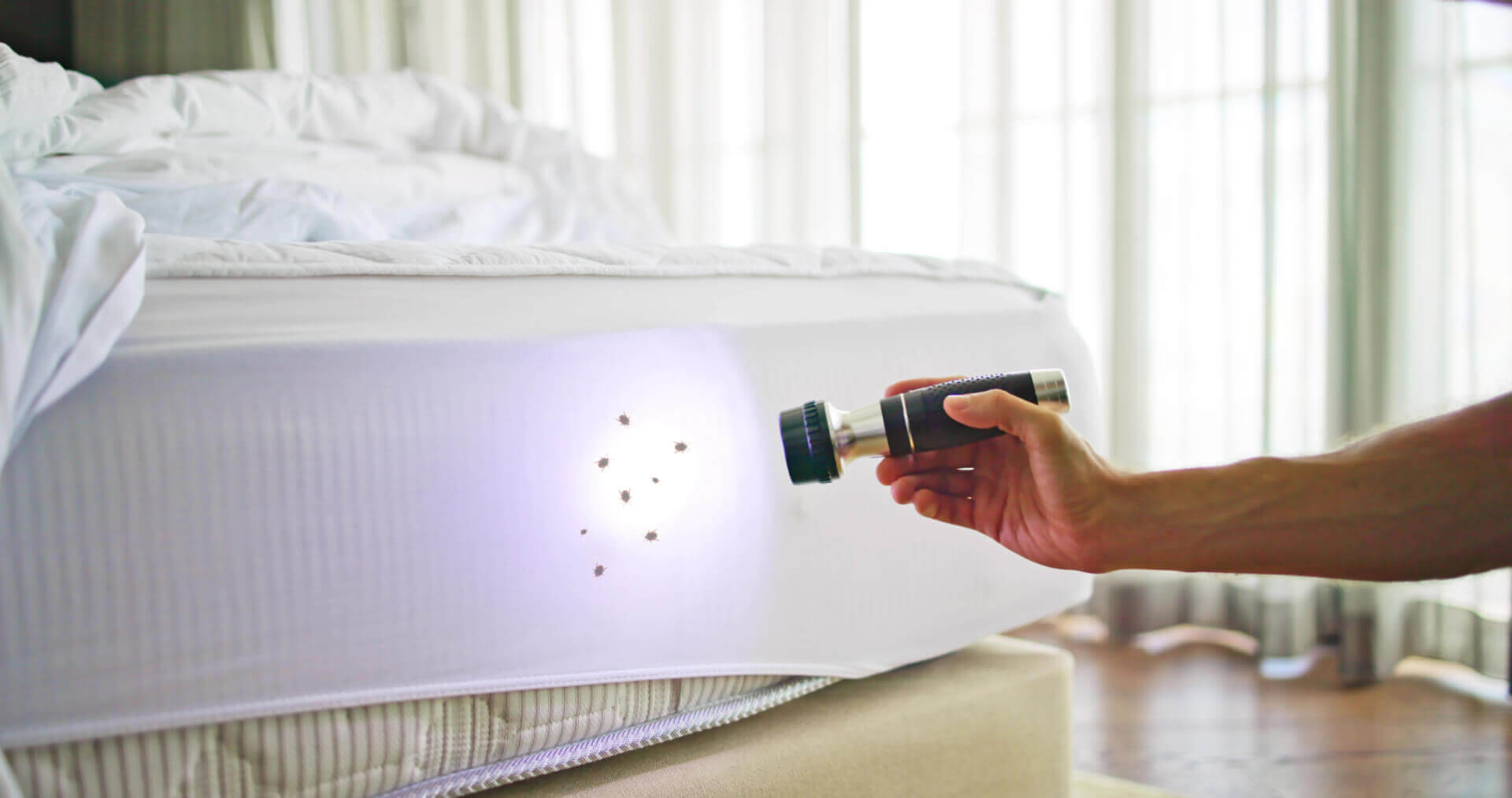
If you suspect you have bed bugs, it's important to thoroughly inspect your home for signs of infestation. Bed bugs often hide in cracks and crevices, making them difficult to detect without a close inspection.
How to inspect for bed bugs
When inspecting your home for bed bugs, focus on areas where they are likely to hide, such as:
- Beds and furniture : Look for signs of bed bugs in the seams, cracks and crevices of mattresses, box springs, headboards and furniture.
- Baseboards and walls : Check baseboards, behind wallpaper, and electrical outlets for dark stains or signs of bloodstains.
- Luggage and clothing : Examine your luggage, bags, and clothing for signs of bed bugs, especially after traveling or staying in hotels.
If you cannot confirm an infestation yourself, consider hiring a professional pest control expert to conduct a thorough inspection.
How to get rid of bed bugs
If you discover a bed bug infestation, it's essential to act quickly to prevent it from spreading. While bed bugs are very difficult to eliminate, there are several methods that can help control and eradicate the infestation.
1. Professional pest control
The most effective way to combat a bed bug infestation is to hire a licensed pest control professional. These experts have the tools and knowledge necessary to eliminate bed bugs using a variety of methods, including:
- Insecticides : Professionals can use approved insecticides to combat bed bugs and their eggs. These chemicals are applied to cracks, crevices, and other hiding places where bed bugs may live.
- Heat treatment : Some pest control companies use heat treatment to eliminate bed bugs. This method involves raising the temperature of the house to a level that is lethal to bed bugs (around 49°C or 120°F).
- Vacuuming : Thoroughly vacuuming the house can help remove bed bugs and their eggs, although this method alone is usually not enough to eradicate an infestation completely.
2. DIY methods
If you prefer to take action yourself, there are several steps you can take to reduce the bed bug population in your home:
- Washing and drying : Wash and dry all bedding, linens, and sheets at the highest temperature to kill bed bugs and eggs.
- Cover your mattress : Use a bed bug-proof mattress cover to trap them inside and prevent them from escaping or feeding.
- Vacuum regularly : Vacuuming can help remove bed bugs and eggs from carpets, furniture, and other surfaces.
- Steam treatment : Bed bugs do not survive high temperatures, so using a steam cleaner on furniture, mattresses, and other surfaces can help kill bed bugs and eggs.

3. How to prevent a bed bug infestation
Preventing a bed bug infestation is easier than treating one once it occurs. Here are some preventative measures to reduce your risk of bed bugs:
- Inspect second-hand furniture : If you buy used furniture, inspect it carefully for signs of bed bugs before bringing it into your home.
- Use protective covers : Use bed bug-proof covers for mattresses and pillows to prevent infestations.
- Take care when traveling : inspect hotel rooms for signs of bed bugs before unpacking and keep luggage away from the floor or bed.
- Seal cracks and crevices : Seal any gaps or cracks in walls, floors and furniture where bed bugs can hide.
Conclusion
Bed bugs are a persistent and frustrating problem, but with proper detection and treatment, they can be eradicated from your home. If you notice signs of an infestation, it's crucial to act quickly to prevent the problem from worsening. Whether you choose to handle the infestation yourself or hire a professional pest control service, prompt action is key to getting rid of these pests
Comments
Post a Comment